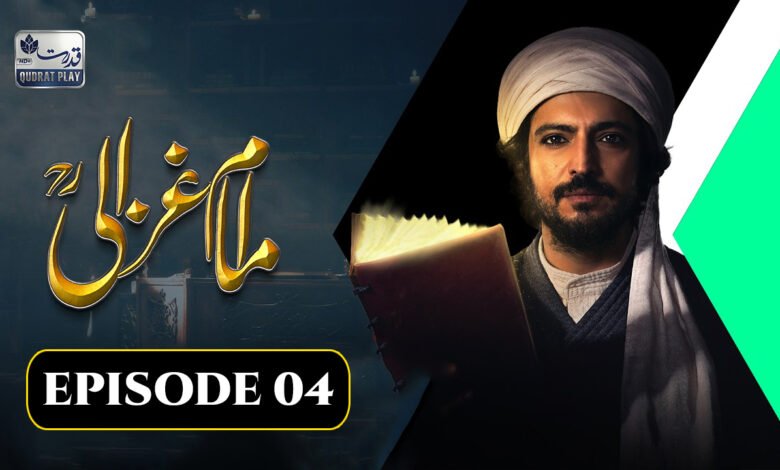
The Sealed Question
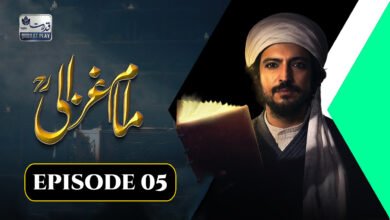
The episode opens with a profound spiritual challenge as Gazali’s teacher presents him with a sealed envelope containing his “first question”. The teacher warns that a single question can sometimes be heavier than a lifetime of answers. Gazali is instructed not to open the envelope until his heart is filled with the answer, emphasizing that true knowledge requires one to not only know the truth intellectually but to carry it in the soul. He is cautioned against the scholar’s greatest mistake: reaching a conclusion too hastily.
Mourning and Moving Forward
Back in their hometown, Gazali’s brother, Ahmet, and their mother reflect on the loss of the family patriarch. They observe that a person does not truly say goodbye when they bury someone, but rather when they accept the loss in their heart. Feeling a sense of unspoken words and internal silence, they decide it is time to travel to Nişabur to find Gazali. The mother refuses to leave her husband’s land initially, but eventually, the pull of her living sons and the path of knowledge lead them forward.
A Conversation in Verses
During their journey, Ahmet and his mother encounter an elderly woman sitting alone beneath a tree. When they attempt to speak with her, they are astonished to find that she responds exclusively using verses from the Quran. She explains through scripture that she avoids worldly speech to ensure that her every word is overseen by a divine observer. It is revealed later that she has not spoken a word other than the Quran for forty years, out of a deep fear of the tongue slipping into sin or attracting divine displeasure.
The Suffocation of Words
While his family travels toward him, Gazali experiences a deep internal crisis of the spirit. He feels a sense of suffocation, describing how words seem to grow in his throat and the crowds overwhelm him. He confesses that he is searching for a sound or a breath that is not a word—something that can only be heard in absolute silence. This struggle highlights his transition from being a master of academic debate to a seeker of internal truth.
The Lesson of the Closed Door
A symbolic subplot involves a man at the gates of a Sufi dergah (monastery) who is frustrated because the dervish keeps closing the door in his face. He eventually realizes that the door was not truly closed to everyone, but specifically to him because he could not find the “door” within his own heart. The dervish teaches him that if he stops desperately trying to force his way through outer doors and sits in silence, he might realize that he himself is the door he is looking for.
Arrival in Nişabur
Upon arriving in the great city of Nişabur, Ahmet and his mother are struck by its sacred atmosphere. Ahmet remarks that even the stones in this city seem to pray and that the very air smells of knowledge. They begin their search for Gazali at his usual lodgings, only to find that he has become a man of few words who rarely greets others and has recently departed for a quiet alleyway. Their arrival signifies a convergence of family and spiritual seeking.
The Honored Guest
At a local zawiya (religious school), the students prepare for the arrival of an “honored guest”—the teacher of their own master. The master explains that this guest is the witness to his own first hesitations and that some names are held in the heart rather than spoken aloud. He tells the students that the most important lessons do not always come from speech, but from a person’s silence, posture, and gaze, which can convey more than years of academic study…
The Answer That Writes the Man
The episode concludes with Gazali returning to his teacher, Cümeyne Hazretleri, to address the hidden question. When asked if he has found the answer, Gazali reveals a transformation in his understanding of knowledge. He explains that he did not write the answer down on paper. Instead, he expresses the profound realization that the answer itself “wrote him,” signifying that the truth has finally reshaped his very being.
Imam Ghazali Season 01 Episode 04 With Urdu Subtitles


3 Comments